WAVE Dispatch: Moving Control Rooms to the Cloud
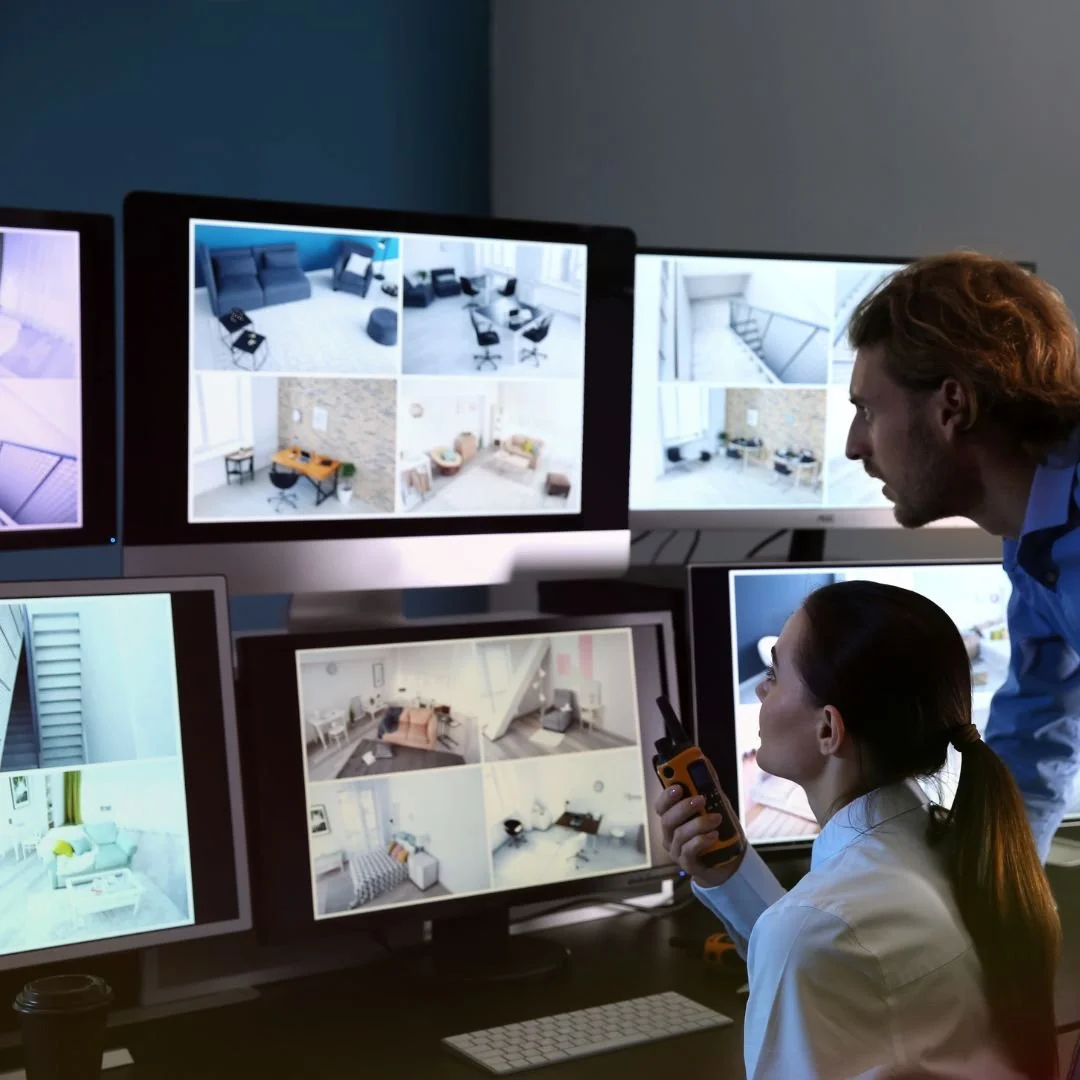
Historically, setting up a dispatch control room meant investing in heavy hardware consoles, dedicated server rooms, and complex IT infrastructure. For transport fleets, logistics companies, and security operations across Australia, this fixed approach limits flexibility and drives up operational costs.
WAVE Dispatch changes this model by moving the entire dispatch operation to the cloud. By removing the need for physical infrastructure, operations managers get enterprise-level control over their fleet without the traditional setup expenses. Here is an objective breakdown of how the platform operates and the core features it provides.
The End of the Fixed Dispatch Desk
The most significant shift with WAVE PTX Dispatch is the removal of dedicated local hardware. The application lives entirely in the cloud rather than on a local PC.
Operations managers can securely log in from anywhere using a standard web browser and an internet connection. Because it is a web-based platform, it frees businesses from dealing with manual software updates and ongoing server maintenance. Whether a dispatcher is working from a main corporate office, a temporary site shed, or working remotely from home, they have full access to the control room.
Complete Voice Fleet Control
At its core, dispatching requires absolute control over voice traffic. The platform provides all the standard tools needed to manage a large, mobile workforce:
Multi-Channel Monitoring: A single dispatcher can monitor up to 20 different talkgroups simultaneously.
Supervisory Override: Dispatchers have the ability to interrupt routine radio chatter to deliver urgent instructions or emergency alerts.
Broadcast & Private Calls: Operators can execute broadcast calls to instantly reach the entire fleet or isolate communications to a one-to-one private call.
Logging and Recording: Every voice interaction is backed by automatic call logging and recording, which is essential for compliance, training, and incident review.
Beyond Voice: Multimedia & Live Mapping
A modern control room handles more than just audio. When details are highly specific, relying purely on voice can lead to errors. WAVE Dispatch integrates multimedia messaging directly into the platform.
Dispatchers can send text messages, photos, videos, and PDF documents directly to groups or individual users in a standard message thread format. If a driver needs a specific delivery manifest or a security guard needs a photo of a person of interest, the control room can push that file directly to their device.
Mapping capabilities also remove the guesswork from fleet management. The interface provides selectable map views where operators can see the real-time location of their team. Key mapping features include:
Automatic Updates: See user locations on a map with automatic or on-demand location updates.
Location History: Review the past movements of specific users with location history and replay functions.
Geofencing: Set up virtual boundaries to monitor when staff enter or exit specific areas.
In-Map Communication: Dispatchers can initiate communication with specific users directly from within the map view.
Unifying Hardware on a Single Network
A major operational hurdle for many businesses is connecting different types of devices across various departments. The WAVE PTX service is carrier-independent and unifies communication across broadband devices, smartphones, and dedicated two-way radios.
This means a dispatcher using the web browser interface can instantly connect with a delivery driver using a rugged TLK 100 radio, as well as a site supervisor using the WAVE PTX app on their iOS or Android smartphone.
By unifying these devices through a single cloud platform, businesses can streamline workflows, improve team productivity, and effectively manage their daily operations without being tied down to a physical desk.