The Fumble Factor: Why Modern Organisations Are Ditching Smartphones for Security
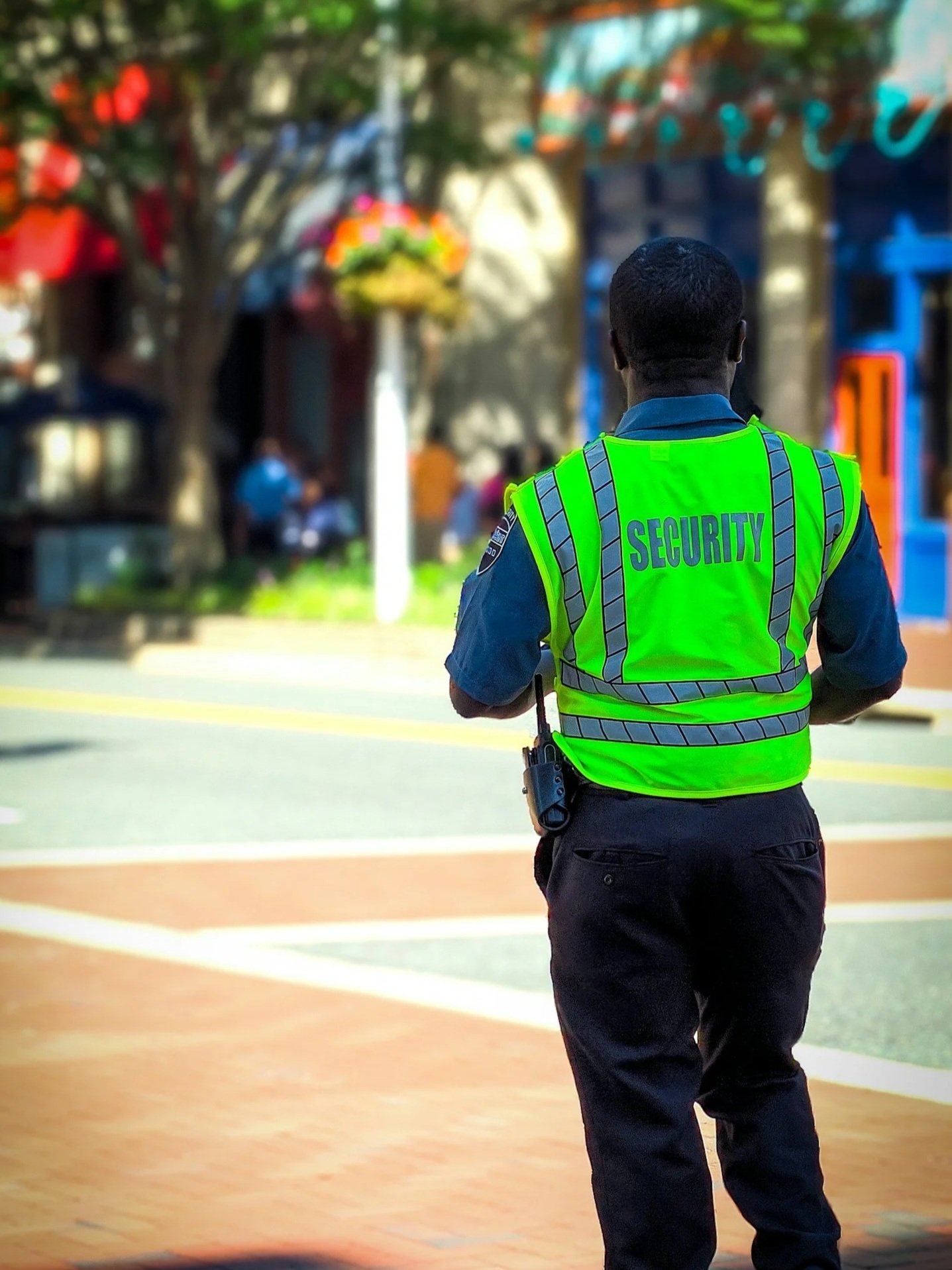
Managing a sprawling university campus, a multi-story corporate office, or a busy independent school has always been a massive logistical juggling act. But today, the landscape has shifted. We live in an era where an organisation's duty of care is under more scrutiny than ever before. With a heightened global focus on physical safety, unpredictable crowd dynamics, and the need for rapid response, modern safety protocols have to be completely airtight.
For a while, the trend was to run campus and facility communication through smartphones. They are familiar, and they are great for logging incident reports or sending emails on the go. However, as facility managers audit their safety strategies for today's environment, they are realising that when a situation requires an instant response, relying on a smartphone creates unnecessary risk.
Here is why forward-thinking organisations are ditching the screen and returning to the undeniable power of the "push-to-talk" button.
The Smartphone "Fumble Factor"
Think about the actual mechanics of using a smartphone to coordinate a rapid response. Let's say a security guard needs to request a medical kit for a visitor or report a disruptive trespasser.
The sequence looks like this: Pull the phone out ➔ Look down at the screen ➔ Take off sunglasses so FaceID works (or type in a passcode) ➔ Open the phone app ➔ Scroll to find the facility manager's number ➔ Hit dial ➔ Wait for it to ring ➔ Hope it doesn't go to voicemail.
In a quiet office, those 15 seconds mean nothing. But when a guard is trying to manage a crowd or de-escalate a tense situation, that "fumble factor" pulls their attention completely away from their surroundings.
The Power of the Button
This is where purpose-built two-way radios change the game entirely. The advantage of a radio is purely tactile.
When that same guard needs backup, they simply reach to their belt, press a large, tactile button, and speak. They never have to look down. They never have to take their eyes off the person in front of them. It relies entirely on simple muscle memory, allowing your team to stay present, professional, and fully engaged with their environment while instantly calling for support.
The "One-to-Many" Advantage
Smartphones are inherently a one-to-one communication tool. If a guard calls the facility manager about a lockdown or a lost child, the rest of the team is still completely in the dark.
Radios operate on a "one-to-many" system. Pushing that single button instantly broadcasts the message to the front desk, the roaming guards, and the administration team all at the exact same time. Everyone gets the identical piece of information instantly, allowing the team to coordinate a sweeping response without playing a dangerous game of telephone.
Beyond the Cellular Network
There is a growing awareness among organisations about the importance of resilient infrastructure. While we rely heavily on public 4G and 5G networks, they are surprisingly fragile. If your campus or facility is hosting a major event, or dealing with an unpredictable local emergency, thousands of people will suddenly ping the local cell towers.
During these peak times, networks overload, text messages fail to send, and calls drop. Purpose-built digital radio networks completely bypass the public cellular grid. Whether the local cell tower is overloaded or down for maintenance, your security team retains a private, unbreakable lifeline to one another.
An Investment in Real Resilience
Let’s address the reality of the gear: outfitting a security team with commercial-grade radios, multi-bank chargers, and professional earpieces is a capital investment. However, moving away from smartphones doesn't have to break the budget. If you want to eliminate the fumble factor and bypass the cellular grid without the premium price tag of flagship models, an entry-level workhorse like the Motorola MOTOTRBO R2 offers an incredibly cost-effective starting point. It delivers the street-tough build, noise-cancelling audio, and dedicated radio-to-radio reliability you need, without making you pay for features your team won't use.
Yes, purchasing a fleet is more expensive upfront than simply asking staff to use a group chat on their personal phones. But the payoff is immense. A commercial radio fleet is built to last for a decade of hard, daily use. It eliminates the liability of dropped cell coverage, removes the distraction of personal notifications, and ensures your team has a guaranteed, private line of communication when it matters most.
Smartphones are incredible tools for daily administration, but they were never designed for eyes-up team coordination. By investing in rugged, purpose-built comms, you completely eliminate the fumble factor—giving your staff the right tools to act swiftly, professionally, and confidently.