Push-to-Talk Over Cellular (PoC): How Australian Fleets are Getting City-Wide Range
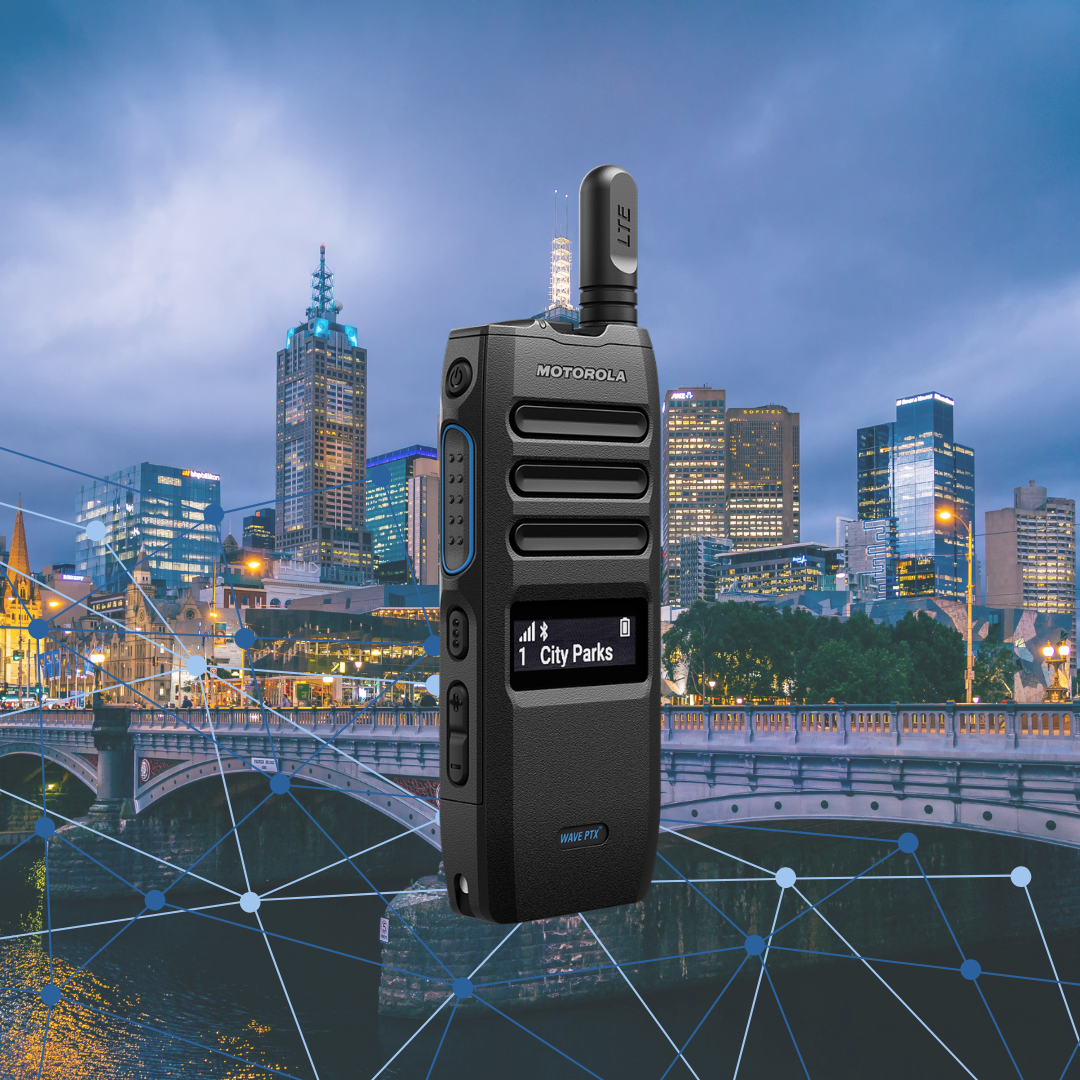
Traditional two-way radios are unmatched for instant, bulletproof communication across a specific site or facility. However, when an operation expands across entire cities, multiple suburbs, or highway routes, physical distance naturally creates coverage challenges.
Historically, bridging that gap required installing expensive radio repeaters on high-rise buildings or hillsides. Today, Aussie businesses can complement their on-site comms by using Push-to-Talk over Cellular (PoC) to easily manage wide-area fleets.
Here is a practical look at how PoC works and why it is rapidly becoming the standard for teams on the move.
What is Push-to-Talk Over Cellular (PoC)?
Instead of bouncing signals off private radio towers, PoC radios utilize Australia's existing 4G and 5G cellular networks, alongside local Wi-Fi, to transmit voice data.
To the user, the experience is identical to a traditional walkie-talkie: press a physical button and talk instantly to your team. But because the system runs on a cellular network (just like your phone), as long as the radio has a mobile signal or Wi-Fi connection, your range is virtually limitless.
Key Advantages for Wide-Area Operations
1. Zero Infrastructure Setup
Setting up a wide-area traditional radio network often requires ACMA licensing and maintaining private repeater stations. With a PoC system running on platforms like Motorola WAVE PTX, the network is already built for you—delivering instant, nationwide coverage right out of the box.
2. Eliminating Smartphone Distractions
Handing staff smartphones for long-distance calls introduces major distractions like social media and personal messaging. Fumbling with a touchscreen while driving or managing a security issue is also a major OH&S risk. PoC radios look and feel like industrial walkie-talkies, featuring heavy-duty tactile buttons, loud speakers, and zero app distractions.
3. Live Fleet Tracking
Because PoC radios tap into cellular networks, they come equipped with built-in GPS. Centralized dispatchers can monitor vehicle locations or portable radio users on a live map, allowing them to route team members efficiently and update jobs in real time.
Which Industries Benefit Most from PoC?
PoC isn't a replacement for localised site radios, but for operations spanning large geographical areas or multiple buildings, it solves major logistical headaches:
Logistics, Transport & Warehousing: Transport managers get real-time voice access to drivers across cities and highways, combined with live GPS tracking for efficient dispatch.
Mobile Security Patrols: Guards checking industrial parks or driving between commercial client sites maintain a continuous, direct line to the central control room anywhere there is cellular coverage.
Sprawling Facilities & Manufacturing: For sites spread across multiple buildings or basements where thick concrete blocks signals, PoC seamlessly hops between local Wi-Fi indoors and 4G LTE outdoors.
Large-Scale Events: Site managers, security, and operations teams can coordinate across sprawling outdoor grounds right out of the box, without needing temporary repeater towers.
Purpose-Built Hardware: Motorola’s TLK Series
If you are deploying a wide-area fleet, the Motorola TLK series is the industry standard for Australian operations:
Motorola TLK110 (Portable Handheld)
A heavy-duty handheld radio built for security guards, facility managers, and field staff.
Seamless Connectivity: Hops automatically between 4G LTE and 2.4/5 GHz Wi-Fi networks when moving indoors or underground.
Built-in Safety: Features AI-backed noise suppression, an emergency panic button, plus integrated Man Down and Lone Worker fall alerts.
Motorola TLK150 (Vehicle Mobile)
Designed specifically for transport fleets, logistics, and mobile security patrol vehicles.
In-Vehicle Compliance: Mounts into the dashboard (dual 12/24V) with a heavy-duty palm mic, keeping drivers compliant with road safety laws.
Loud Audio: Features a powerful 16W external speaker to cut through engine and road noise.
Rethinking How Your Fleet Connects
Expanding your communication footprint no longer requires a massive capital investment in repeaters, towers, or complex licensing. By leveraging existing mobile and Wi-Fi networks through Push-to-Talk over Cellular, wide-area fleets can scale instantly—whether you are adding a few local delivery trucks or managing mobile security across the state.
If your team is experiencing coverage gaps across longer distances, mapping out where drop-outs occur is the best place to start when deciding between a traditional site network and a PoC solution.