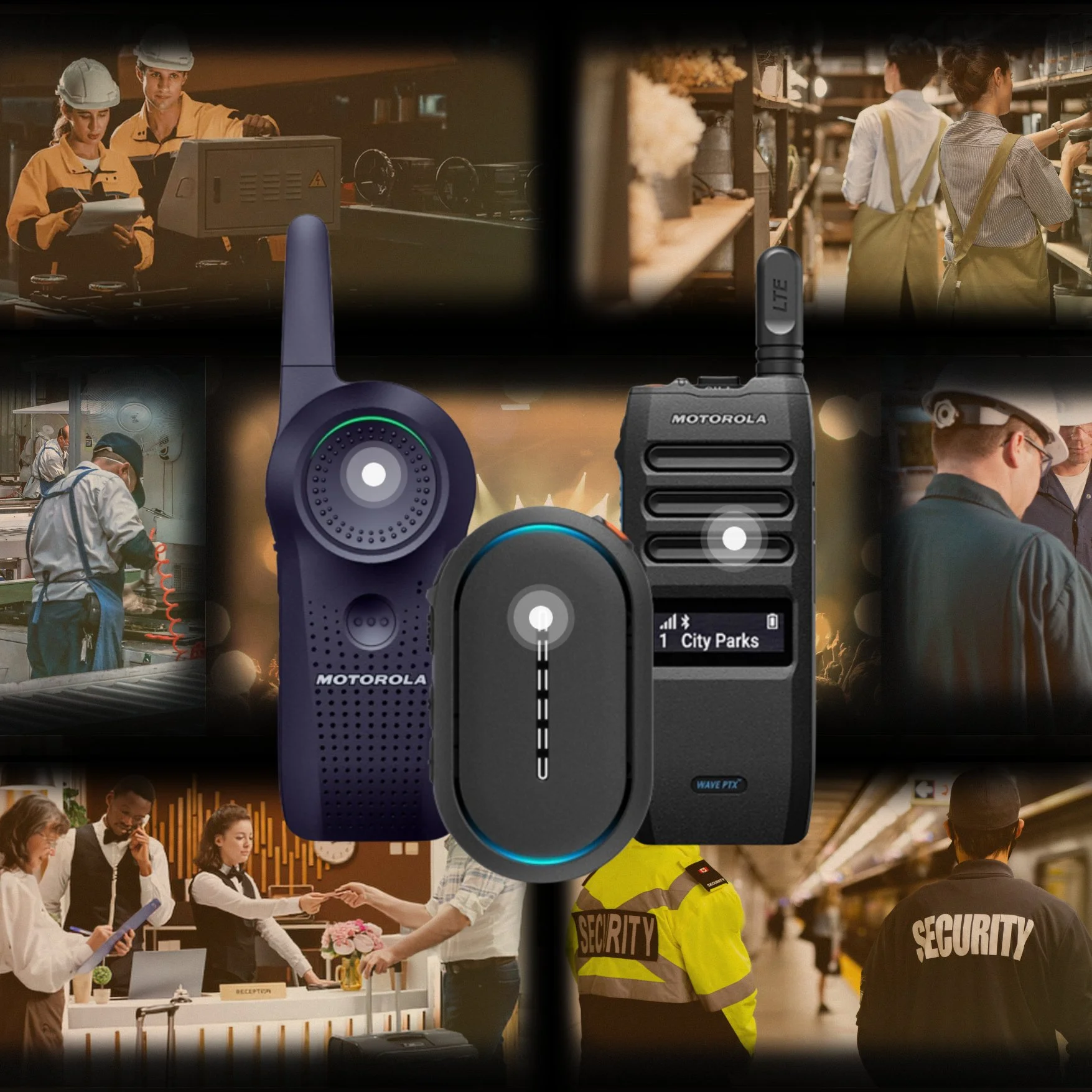
A film crew is ready for the next take, but nobody's confirmed the road is clear. A customer is waiting while someone checks the stockroom. A delivery truck has arrived at a loading dock that's still occupied.
Different workplaces, same problem. Someone needs information from someone who isn't standing next to them.
It's easy to overlook how much of a working day depends on these small exchanges. A quick update, a confirmation, a change of plans or a request for assistance.
Two-way radios rarely get much attention until communication becomes difficult. But across Australian businesses, events, film productions and industrial sites, they're often among the most frequently used pieces of equipment.

Events, Festivals & Sporting Venues
At a large festival, hundreds of people can be working across security, production, stages, ticketing, bars, traffic management and site operations.
Most attendees never see the coordination involved.
A security supervisor needs to know when a gate is becoming congested. A stage manager needs confirmation that an area is clear. Site operations might need to redirect a delivery or organise a replacement generator.
These situations involve teams working in different locations, often surrounded by crowds and noise.
For Australian music festivals, concerts, sporting events and outdoor venues, event two-way radios provide direct communication between crews without relying on everyone answering a phone.
Film & Television Production
On a film or television set, timing matters.
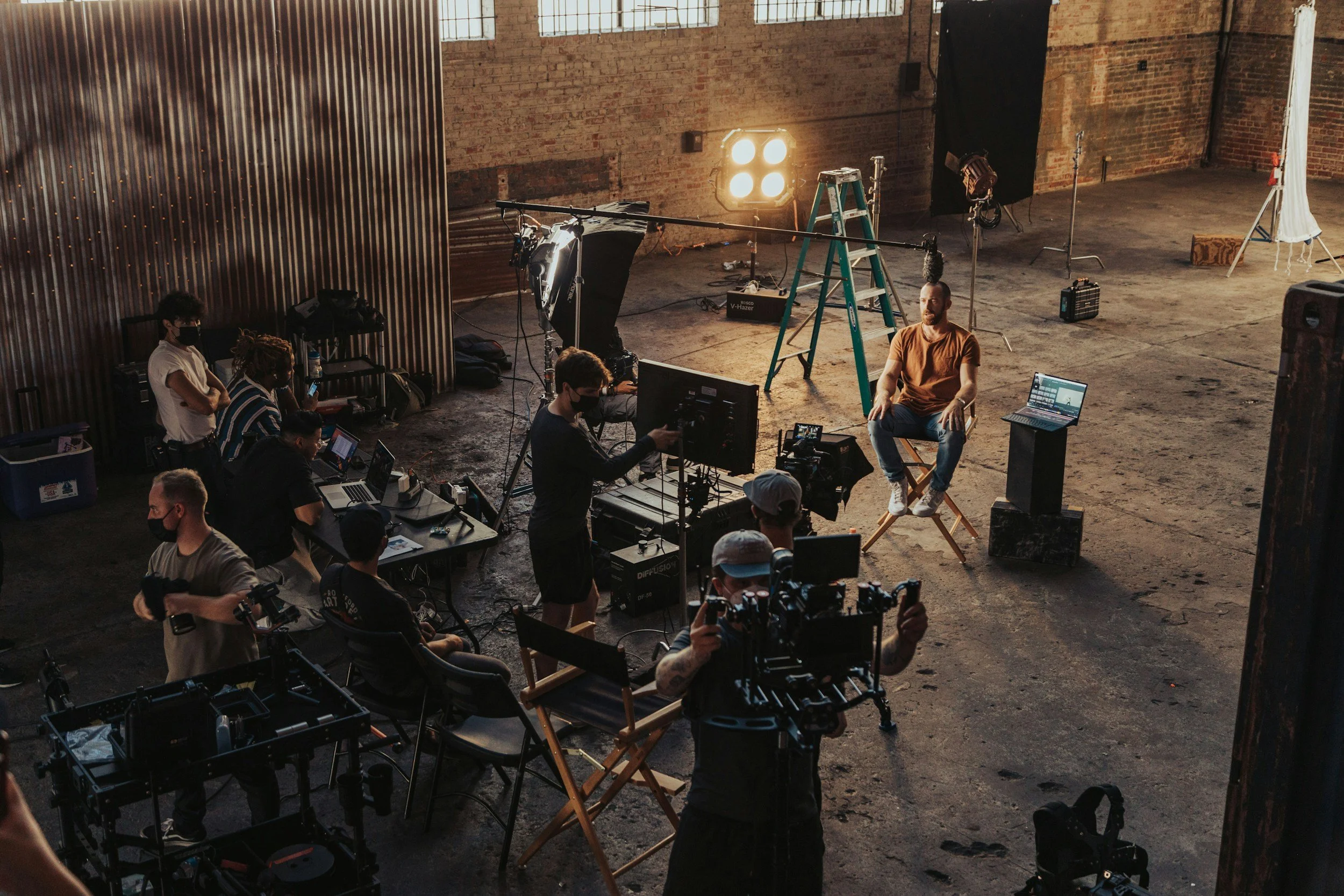
Before a take, the assistant director team may need confirmation that background performers are ready, nearby movement has stopped and the locations team has secured the area.
A delayed message can hold up several departments at once.
Film production radios allow assistant directors, locations, transport and production crews to communicate without leaving their positions. Discreet earpieces also let crew receive instructions without broadcasting radio audio across a quiet set.
Much of the communication isn't particularly interesting to anyone outside the production. But coordinating a large crew across a studio, location or outdoor shoot becomes considerably harder without it.

Retail Stores & Shopping Centres
In retail, customers rarely see how many conversations happen behind a simple request.
Someone asks whether a particular size is available. A floor staff member checks with the stockroom. A manager is needed to approve something. A delivery arrives while the store is busy.
Across larger retail stores and shopping centres, staff can be spread between multiple floors, departments and back-of-house areas.
Retail two-way radios allow teams to communicate without leaving customers waiting or walking across the store to find someone.
They're also useful for loss prevention, security, stock management and coordinating staff during busy trading periods.
The radios might barely be visible, especially with discreet earpieces, but the communication makes a noticeable difference to how a store operates.

Hotels, Restaurants & Hospitality
Good hospitality often depends on guests not noticing everything happening around them.
A hotel receptionist needs to confirm whether housekeeping has finished preparing a room. A restaurant manager needs another staff member on the floor. A maintenance issue needs attention before guests arrive.
Hospitality two-way radios allow front-of-house, back-of-house, housekeeping, maintenance and management teams to coordinate without interrupting customers.
The same applies to coworking offices, wellness venues and other customer-facing spaces where staff need to communicate quietly.
The guest experiences a smooth arrival, a quick answer or a problem resolved without fuss. They rarely see the conversations that made it happen.
Manufacturing & Industrial Workplaces
Manufacturing is a good example of how one small delay can affect an entire operation.
A production line is waiting for materials. A machine needs attention from maintenance. A supervisor needs to coordinate work between different areas of the factory.
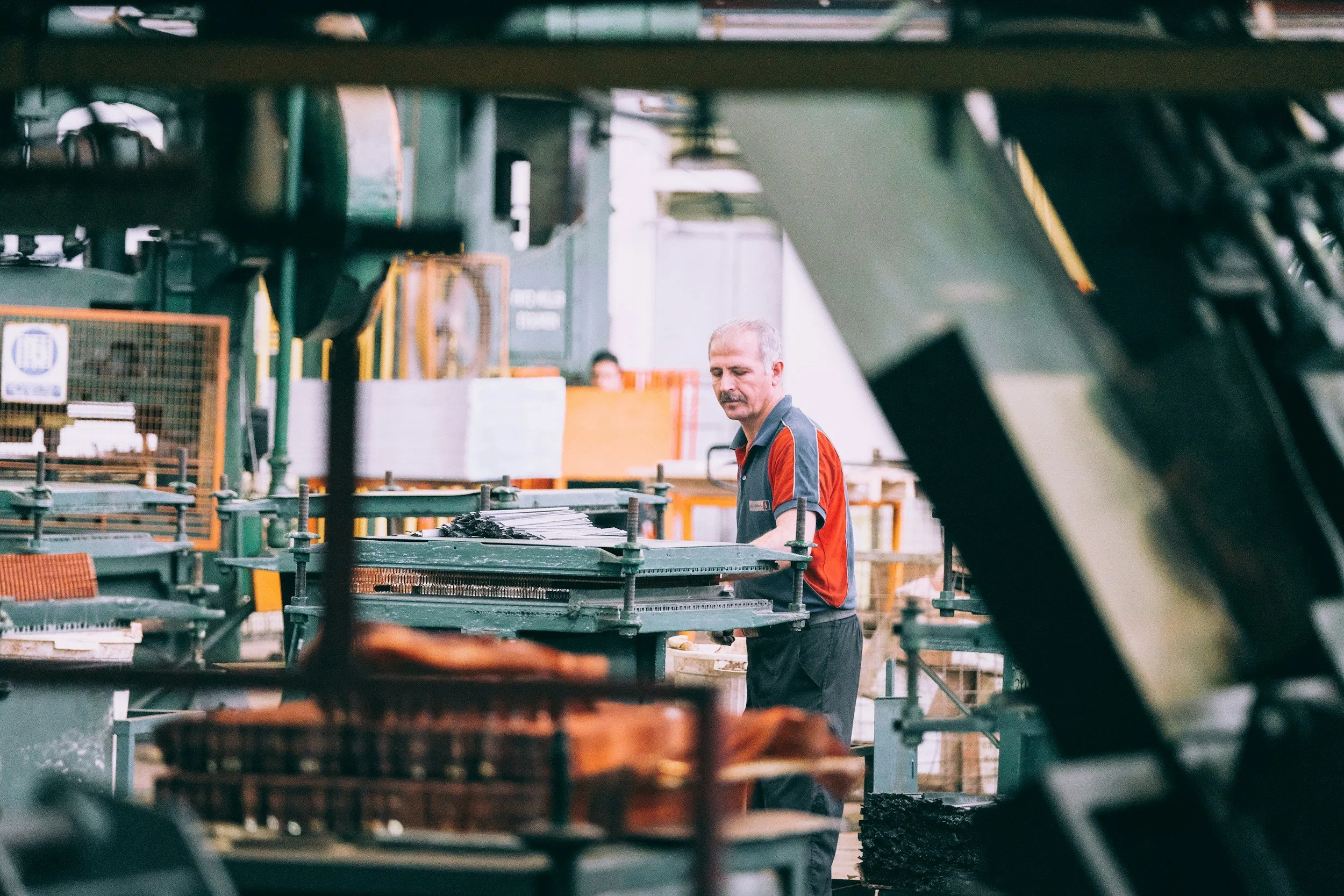
Around machinery, production equipment and significant background noise, communication needs to be clear and accessible.
Industrial two-way radios allow factory supervisors, maintenance staff and production teams to share updates without leaving their work areas.
They're also part of broader workplace communication and safety procedures, particularly where staff work in isolated sections of a facility.
A quick radio call can prevent a relatively small issue from becoming a much longer interruption.
Warehousing, Logistics & Transport
Consider how many activities need to line up for a warehouse dispatch to happen.
Stock needs to be located, orders picked, goods moved, loading areas made available and transport coordinated. When one part changes, other teams need to know.
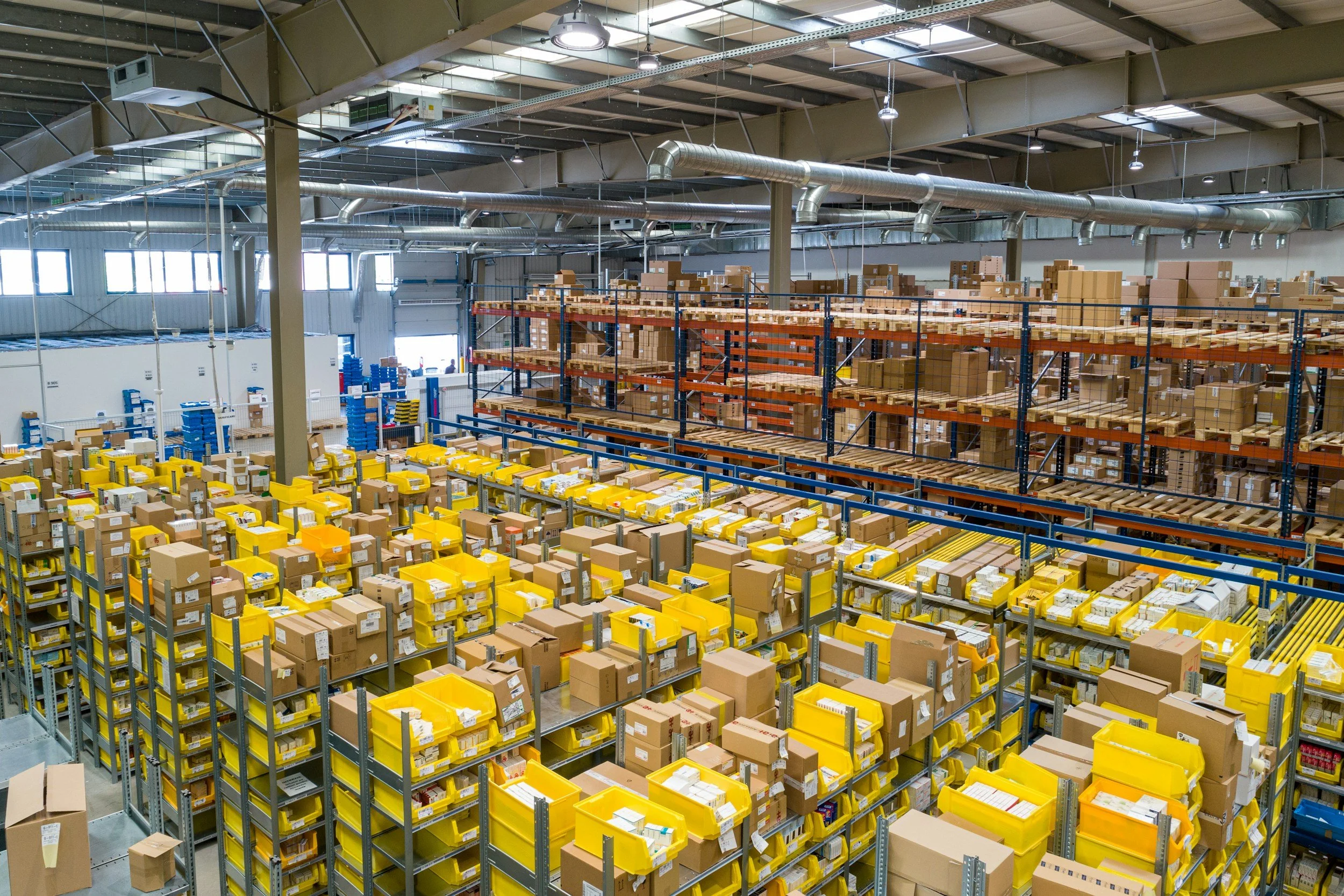
Warehouse two-way radios help staff communicate across loading docks, storage areas and operational zones. Supervisors can reach dispatch teams, while loading dock staff can confirm when an area is ready for the next delivery.
For transport and logistics businesses operating across multiple sites, network-based push-to-talk systems can also connect teams between locations, provided cellular or Wi-Fi coverage is available.
The individual messages are usually brief, but they help keep a much larger operation organised.
Security & Facilities Management
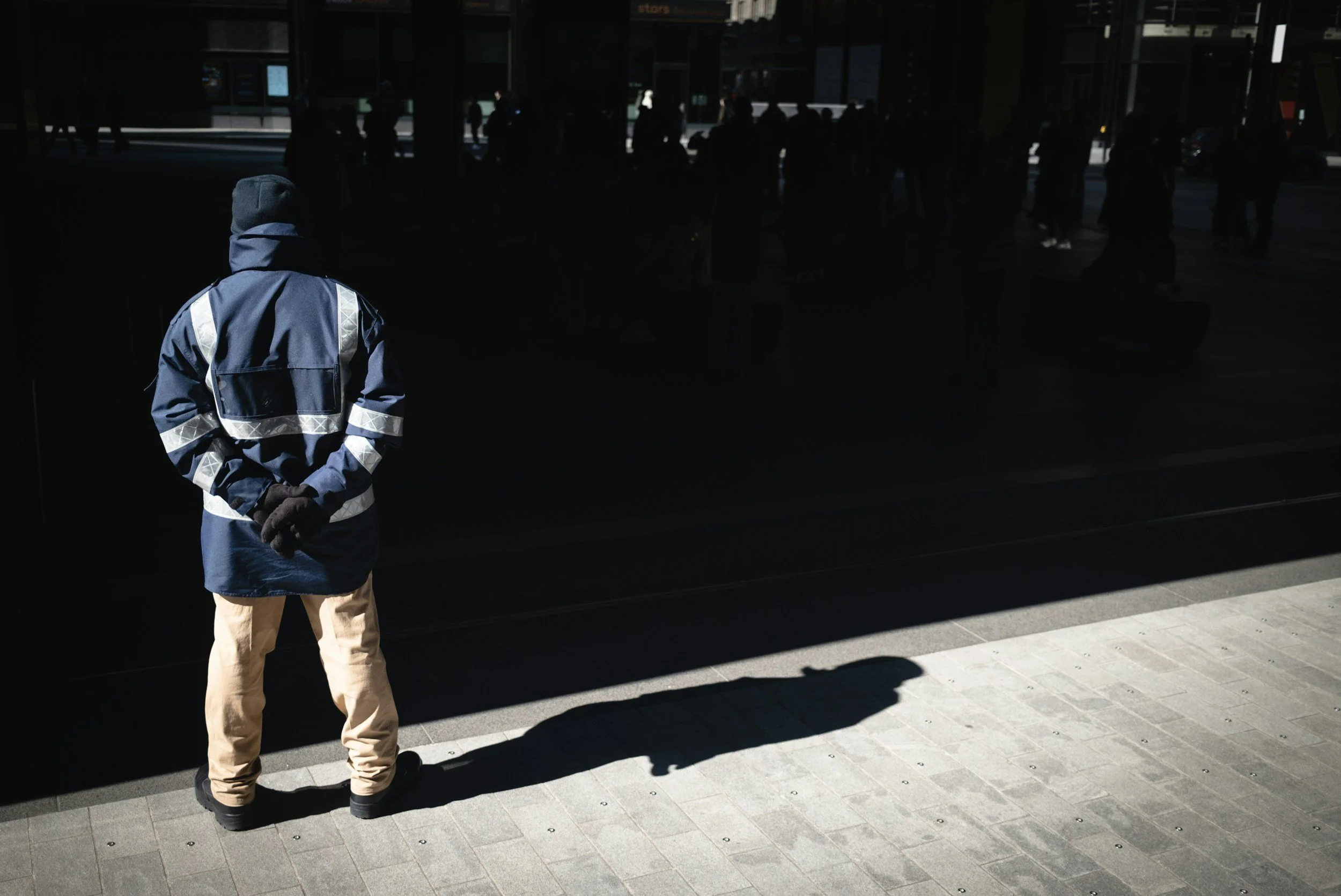
Security and facilities teams often cover areas much larger than a single workplace.
One security officer might be patrolling a property while another monitors access points. A facilities manager may be coordinating cleaners, contractors and maintenance across several floors.
Two-way radios allow these teams to report issues, request assistance and coordinate responses without returning to a central office.
In shopping centres, office buildings, hospitals and commercial facilities, this is particularly useful when staff are spread across different areas.
It's not only about emergencies. A faulty door, maintenance request or unexpected delivery can all require a quick conversation between several people.
Schools, Universities & Healthcare Facilities
Some of the most important workplace conversations happen where communication needs to be quick but unobtrusive.
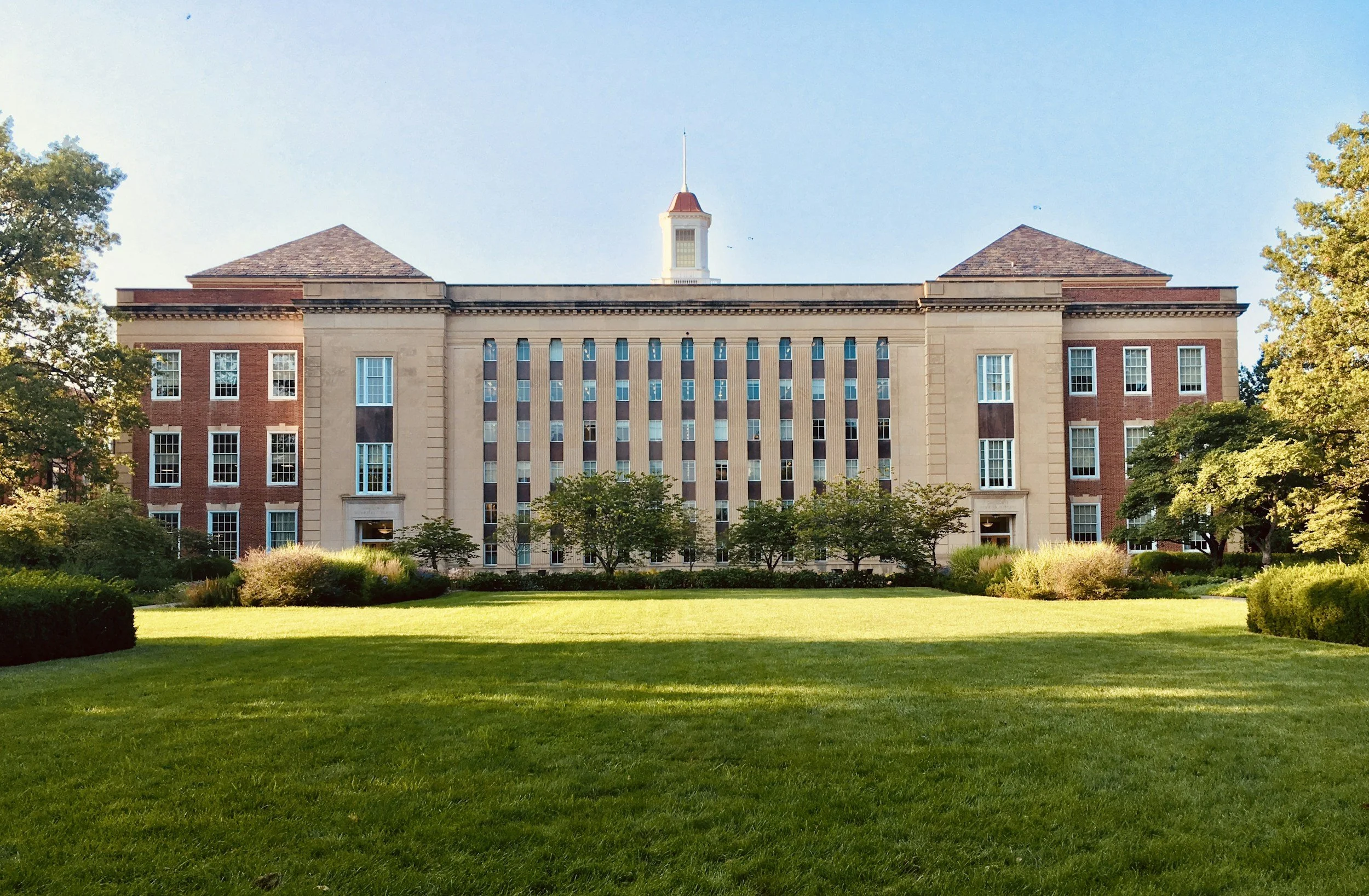
Across schools and university campuses, staff may need to coordinate yard supervision, maintenance, visitor access and activities in different locations.
In hospitals, aged care facilities and healthcare settings, two-way radios can support non-clinical operations such as security, housekeeping, maintenance, transport and facilities management.
These teams often work across large buildings with multiple floors and busy public areas.
Radios can provide practical communication alongside existing phone systems and emergency procedures. In healthcare, their use must also account for patient privacy and the organisation's communication policies.

Why Not Just Use Mobile Phones?
Mobile phones are useful for plenty of workplace tasks, but they're not always practical for quick group communication.
Making a call usually involves finding a contact, waiting for an answer and speaking to one person or setting up a group conversation.
With a properly configured two-way radio system, staff can press a button and speak to the relevant channel or talkgroup immediately.
That's useful when people have their hands full, are wearing gloves, moving around a large site or need several colleagues to hear the same information.
Conventional two-way radios can also communicate without mobile phone reception, provided there's adequate radio coverage.
Cellular push-to-talk systems offer an alternative for teams spread across larger geographical areas, although they depend on supported network connectivity.
Neither technology suits every workplace. The important part is choosing a communication system that matches how people actually work.
Good Communication Is More Than Having a Radio
Handing everyone a two-way radio doesn't automatically make a workplace organised.
People still need to know which channel to use, who they're communicating with and what information needs to be passed on.
Larger sites may require separate departmental channels, clear procedures and a plan for urgent messages.
Equipment also needs to suit the environment. A compact radio used at hotel reception has different requirements from one used by festival security or a maintenance team in a noisy factory.
Reliable coverage, suitable accessories and familiarity with the equipment all matter.
The radio is simply the tool that makes those conversations possible.
The Part Nobody Really Thinks About
A successful event is remembered for the performances. A hotel for its service. A film production for what's on screen. A retailer for the experience customers have in-store.
Nobody is particularly interested in the hundreds of radio conversations happening along the way.
But those conversations are often what allowed everything else to happen.
You can have the right people, equipment, schedules and plans in place. If information isn't reaching the people who need it, even straightforward tasks become difficult.
Communication isn't always the most visible part of an operation, but it's one of the things that makes the rest of the work possible.
And when it's working properly, most people never give it a second thought.