Beyond the Gates: Coordinating Traffic and Off-Site Parking for Major Stadium Events
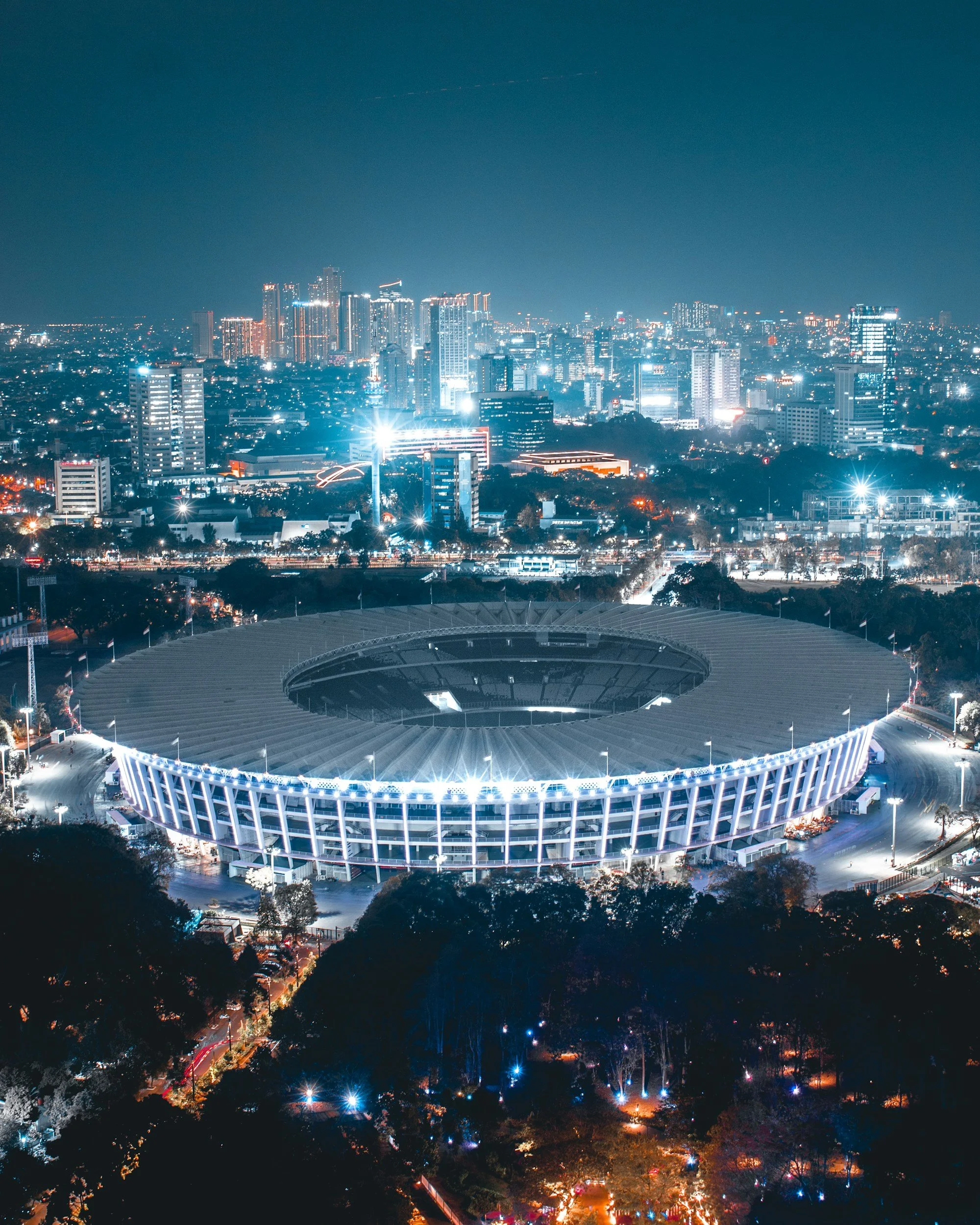
Running a massive stadium event is a lot like staging a small military operation. While 50,000 fans are cheering inside the bowl, the real logistical heavy lifting is happening out on the streets.
Event operations managers know that the experience starts the second a ticketholder hits the highway off-ramp. But when your traffic controllers, parking attendants, and external security teams are scattered kilometres away from the main gates, keeping everyone connected becomes a massive headache.
If you are relying on outdated tech for your event logistics comms, you are likely dealing with dropouts, static, and disconnected teams. Here is how modern wide-area communications are solving the stadium sprawl.
The Problem: The Limits of Traditional Radio Range
Standard UHF and VHF two-way radios are fantastic for inside the venue. But radio waves rely on line-of-sight. When you send a traffic management crew three suburbs over to manage a highway detour, those standard radios are going to hit a wall—literally.
To get traditional radios to push through concrete buildings and cover that kind of distance, you need to set up expensive, temporary repeater stations and deal with complex ACMA frequency licensing. For a weekend event, building out that kind of infrastructure is a massive drain on the budget.
When your external teams drop out of range, they usually resort to calling the control room on their personal mobile phones. Suddenly, your unified communication plan falls apart, and critical safety updates are delayed.
The Solution: Choosing the Right LTE Two-Way Radio
When it is time to deploy push-to-talk over cellular (PTToC) for your event logistics, handing out fragile smartphones to your crew isn't the answer. You need purpose-built hardware. Here is how venues are utilizing two of the most popular LTE two-way radios on the market to manage wide-area coverage:
Motorola TLK100: The Essential Wide-Area Radio The Motorola TLK100 is the perfect solution for venues looking to scale up their stadium communications quickly and cost-effectively. It strips away the distractions of a mobile phone—no fragile screens, no apps, no texting—leaving only a dedicated push-to-talk button and a powerful speaker. For event traffic management teams, it provides reliable, wide-area coverage over 4G LTE networks without any complicated learning curve. You can hand a TLK100 to a casual parking attendant or traffic controller, and they are instantly linked back to the stadium's central dispatch, no matter how many suburbs away they are operating.
Motorola TLK110: The Next-Gen Safety Radio When your perimeter security and highway teams need advanced event safety radios, the Motorola TLK110 steps up to the plate. This device builds on the LTE foundation of the 100 but adds massive upgrades for extreme environments. It features advanced AI noise suppression, meaning the roar of heavy highway traffic or 50,000 exiting fans gets completely filtered out of the transmission. Plus, with an IP67 waterproof rating and built-in emergency alerts like Man Down and Lone Worker, it acts as the ultimate GPS tracking walkie-talkie. It keeps your remote staff safe and connected, even during an unpredictable Melbourne downpour.
Why Stadiums Are Upgrading Their Event Logistics Comms
Switching your off-site teams to wide area two-way radios changes the game for event traffic management. Here is why operations teams are making the jump:
Infinite Range: You can have a parking attendant stationed kilometres away at an overflow lot communicating instantly with the security manager down in the stadium basement.
Zero Infrastructure: There is no need to hire or build temporary repeater towers. You just turn the devices on, and they use the country's existing cellular networks to connect everyone instantly.
Unified Control Rooms: Push-to-talk over cellular allows you to link your wide-area traffic teams directly into the same channels as your internal stadium staff. Everyone stays on the exact same page.
Real-Time GPS Tracking: Because these devices run on cellular networks, they feature built-in GPS. Your dispatch or control room can look at a map and see exactly where every traffic controller is deployed in real-time, allowing for rapid redeployment if a specific intersection gets backed up.
Keeping the Perimeter Connected
You can't run a smooth stadium event if half your workforce is operating in a communication dead zone. Upgrading your external teams to LTE walkie talkies ensures that no matter how far your event footprint stretches, your crew is only ever one button push away.